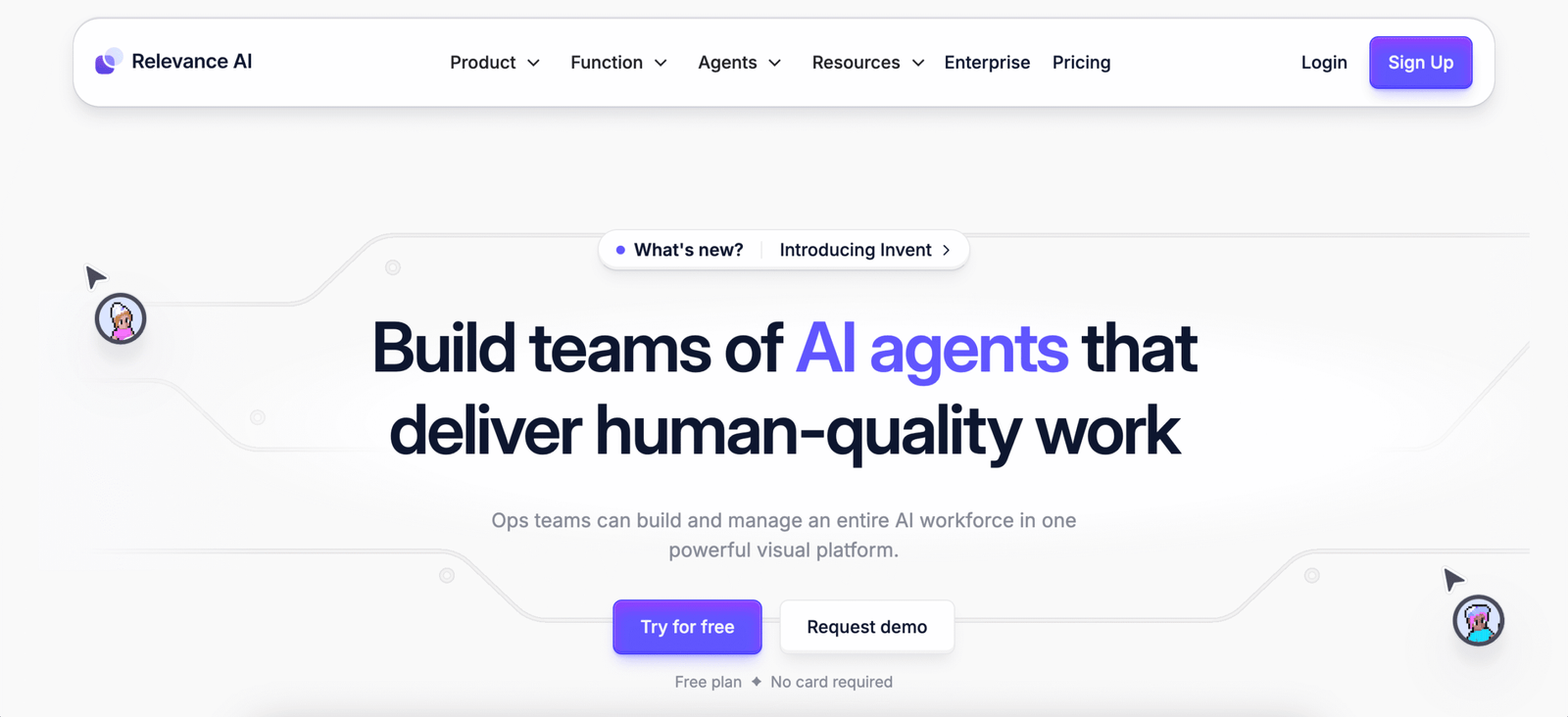
In the era of AI-driven decision-making, businesses are increasingly relying on platforms like Relevance AI to automate workflows, analyze unstructured data, and improve operational efficiency. However, as the demand for more tailored, scalable, and versatile tools grows, many companies are exploring alternatives relevance ai alternatives to Relevance AI that better fit their specific needs. Whether it’s due to pricing concerns, integration limitations, or the need for specialized features, knowing the top alternatives can help organizations make informed technology decisions. This article explores some of the best alternatives to Relevance AI, focusing on their strengths, use cases, and unique offerings in the artificial intelligence landscape.
Why Look for Relevance AI Alternatives?
While Relevance AI provides a powerful platform for building no-code workflows, analyzing customer feedback, and deploying AI solutions without engineering expertise, it may not be suitable for every business. Some users find its customization options limited when handling complex enterprise-scale use cases, or they may require more robust integrations with existing data pipelines and third-party platforms. Cost is another factor—Relevance AI’s pricing might not be feasible for small businesses or startups operating under strict budgets. Others may need more specific features like advanced NLP capabilities, custom model training, or on-premises deployment for data security and compliance. In this context, exploring alternative platforms allows companies to evaluate better-aligned tools that offer comparable or even superior features depending on their unique objectives.
Top Relevance AI Alternatives and Their Key Features
A number of platforms offer similar or enhanced capabilities compared to Relevance AI. One notable alternative is MonkeyLearn, which focuses heavily on text analysis through machine learning. It allows users to extract insights from unstructured text data such as customer reviews, support tickets, and social media posts. With customizable classifiers and extractors, MonkeyLearn is ideal for teams that need advanced natural language processing without diving deep into code. It also provides visual dashboards and easy integration with tools like Zapier, Google Sheets, and more.
Another strong contender is AWS Comprehend, Amazon’s natural language processing service. It is particularly useful for enterprises that require scalable AI services with robust security features. AWS Comprehend can analyze text to extract key phrases, sentiment, entities, and language, making it a powerful tool for customer analytics and document processing. It’s best suited for developers and data scientists looking to integrate NLP into larger cloud-based workflows.
Google Cloud Natural Language API is another widely used alternative, offering strong sentiment analysis and entity recognition features. This API is backed by Google’s machine learning technology and provides high accuracy in language processing tasks. It is suitable for businesses that want easy access to NLP services without maintaining infrastructure. Additionally, it supports multiple languages and works seamlessly with other Google Cloud services, making it a great fit for businesses already invested in that ecosystem.
For teams focused on no-code or low-code solutions, Levity is a rising star. It allows users to automate repetitive tasks using AI models trained on their own data. Levity’s appeal lies in its user-friendly interface, enabling business professionals to build AI workflows without any programming knowledge. It’s particularly useful for small to medium-sized businesses in areas like marketing, customer support, and HR.
Choose the Right Alternative Based on Business Needs
When choosing an alternative to Relevance AI, businesses should first evaluate their specific requirements—such as the type of data they are analyzing, the level of technical expertise available, integration needs, and budget. Platforms like MonkeyLearn and Levity cater to non-technical users, while AWS Comprehend and Google Cloud NLP are better suited for technical teams needing scalable, high-performance AI. Moreover, data security and compliance considerations may lead some organizations to favor cloud providers with robust enterprise governance models.
In summary, while Relevance AI is a capable platform for data analysis and automation, its alternatives offer a wide range of features that may better align with the specific operational needs of different organizations. By exploring these alternatives, businesses can unlock new levels of efficiency, flexibility, and insight across their data-driven processes.
About the Author
